Cinematic Stories That Move Global Audiences
We craft culturally rich, visually striking films and theater-driven productions for festivals, streaming, and brands—bringing bold storytelling to diverse audiences.
Where Stories Begin

Valley Glen Studios was founded by filmmakers and who wanted stories rooted in culture, craft, and visual ambition. For over a decade we’ve combined theatrical staging, cinematic technique, and community collaboration to produce festival-winning shorts and immersive branded content. We prioritize authentic voices, meticulous design, and audience connection—delivering memorable films that respect source communities and stand out across screens and stages.
We Create Engaging Films That Resonate
Start every project by clarifying the emotional and narrative throughline. Identify the protagonist’s want, the stakes, and the audience takeaway. A tightly focused message guides casting, pacing, and marketing and prevents scope creep during production.

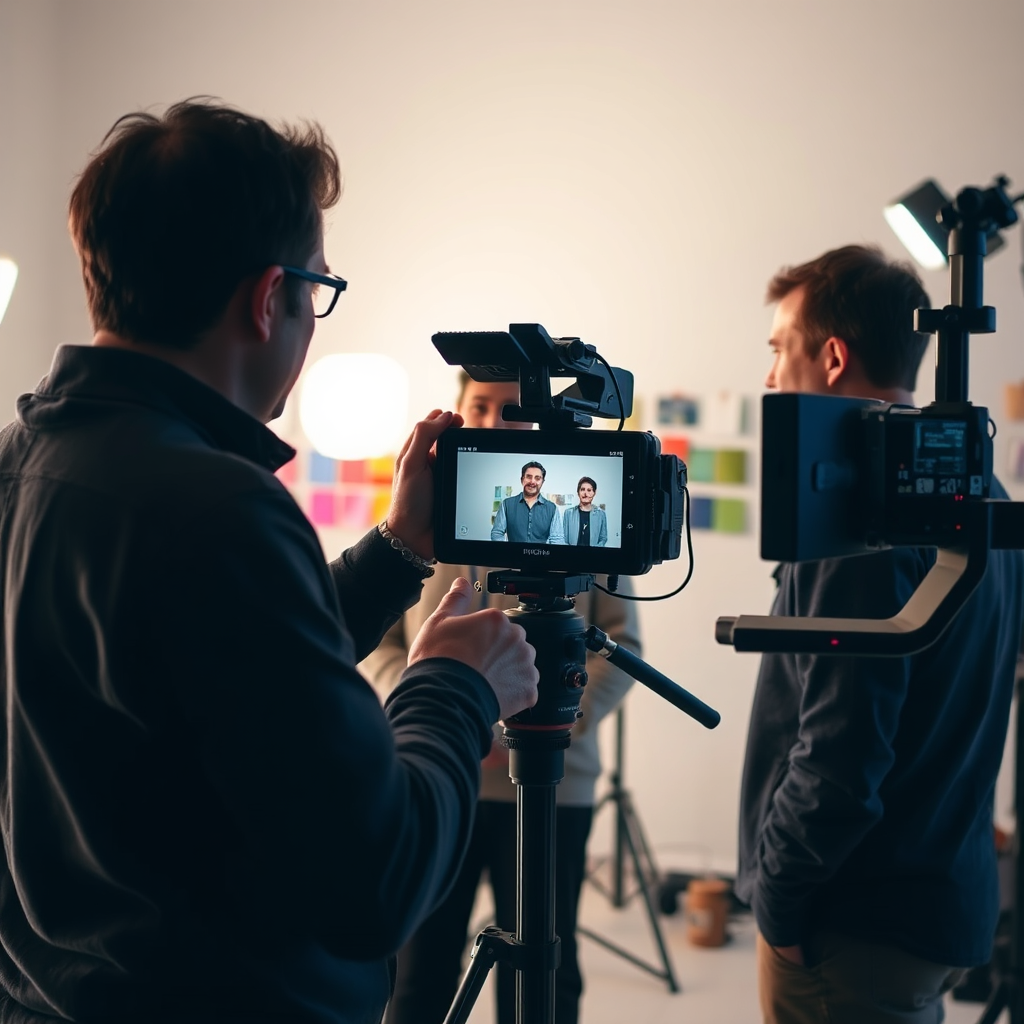
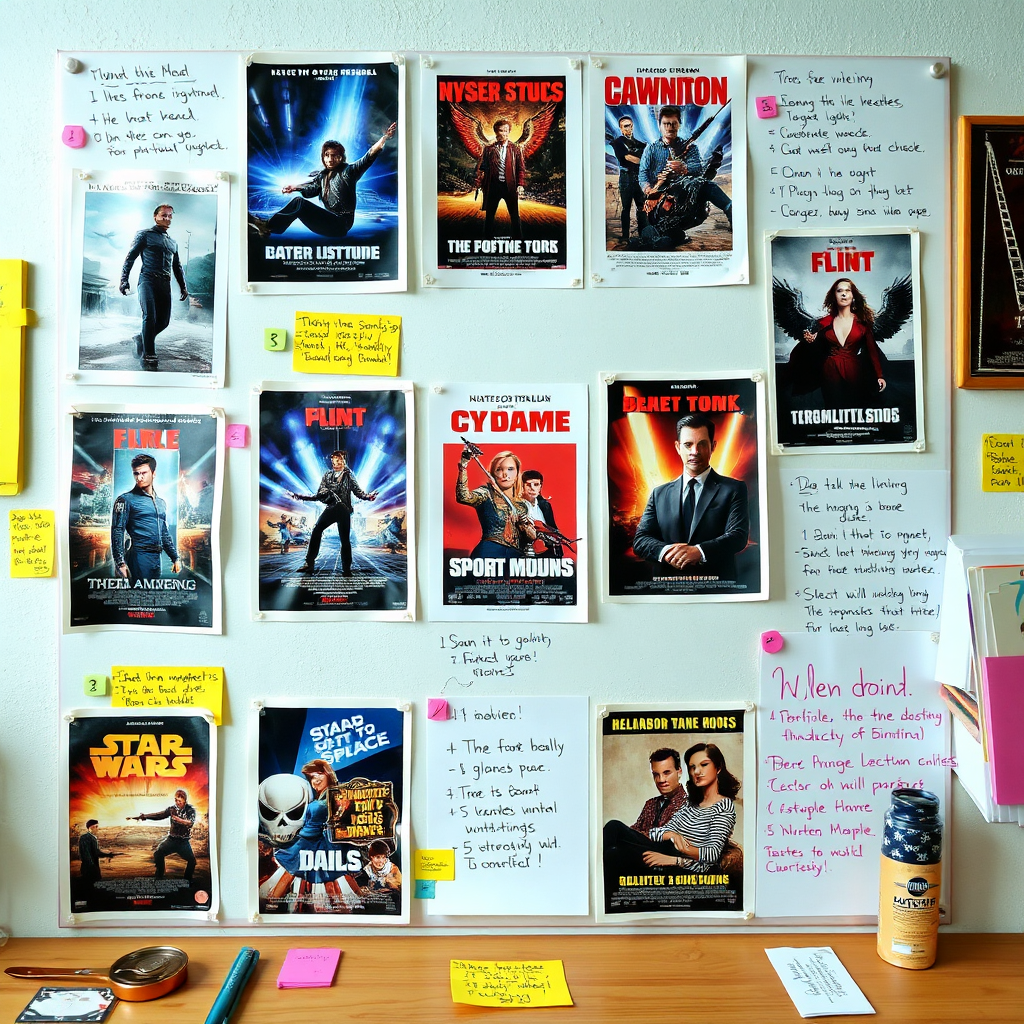
Create mood boards, shot lists, and a concise visual bible early. Specify camera movement, color palette, lenses, and lighting setups to ensure consistent tone. Budget for a few signature shots that elevate the film’s visual identity.
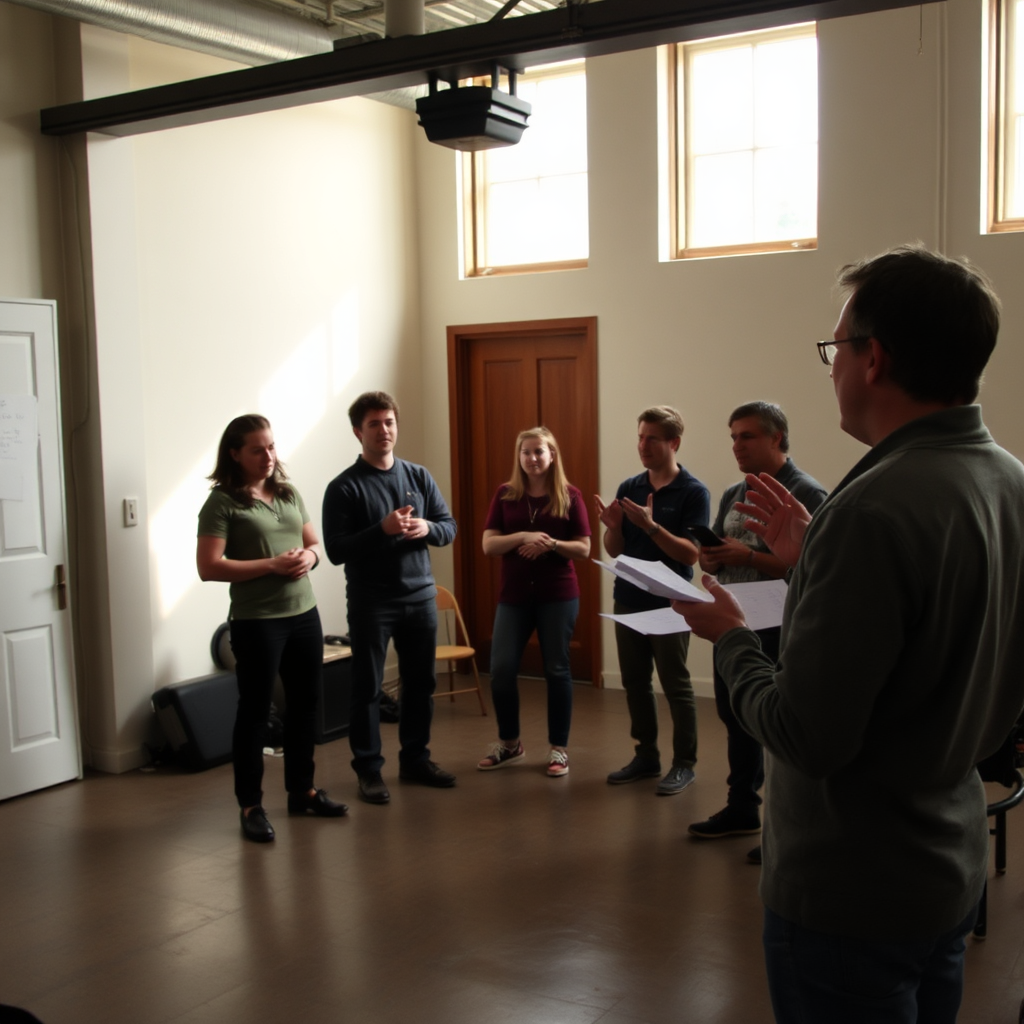
Invest in casting and rehearsal time. Use workshops to develop character chemistry and refine dialogue. Directors who build trust on set get more honest performances and can adapt scenes organically for stronger emotional beats.
Inspired by an Eclectic Mix
Choose a primary genre and use secondary elements to enhance, not confuse, tone. Map key beats to genre expectations while subverting one or two tropes to keep the audience engaged without losing coherence.
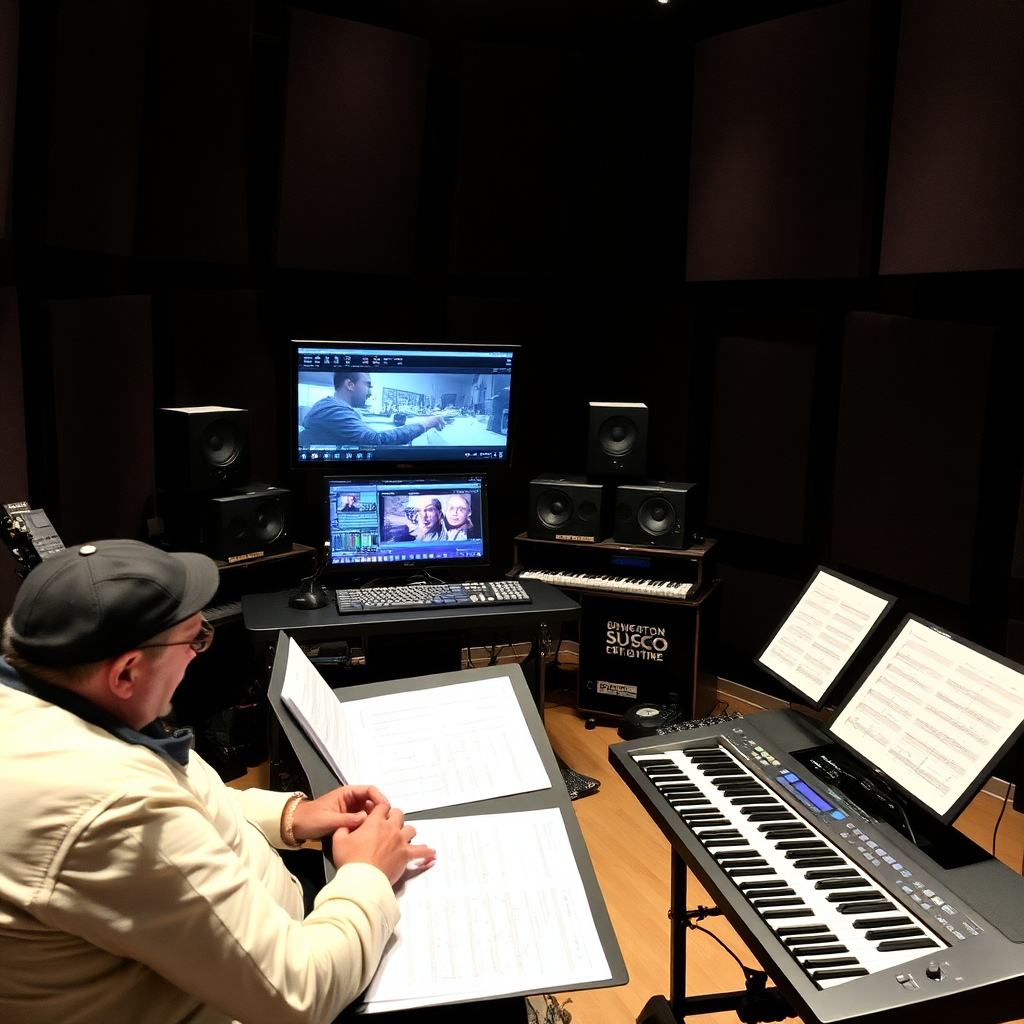
Use music to bridge eclectic elements—mix original scoring with carefully licensed tracks to anchor mood changes. Early temp tracks help editors and directors synchronize tone from rough cut to final mix.
Pull visual references from the cultures and eras you reference. Hire set designers and cultural consultants to source props, textures, and color palettes that feel lived-in and believable on camera.
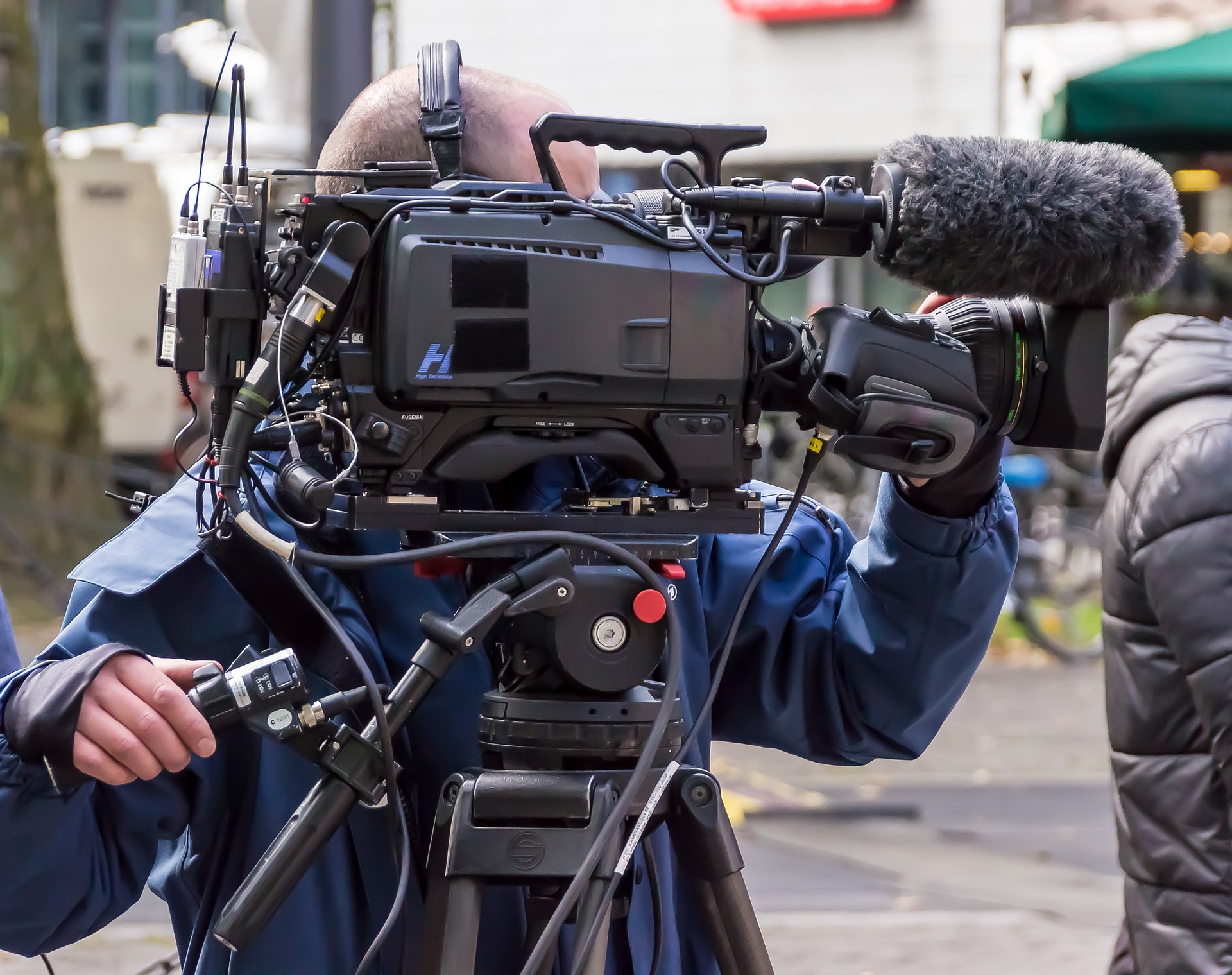
Mix of Cultural Influences in Film
Engage community advisors and primary-source research early. Prioritize consent and collaboration when portraying cultural practices; this reduces misrepresentation risks and often uncovers richer, subtler story material.
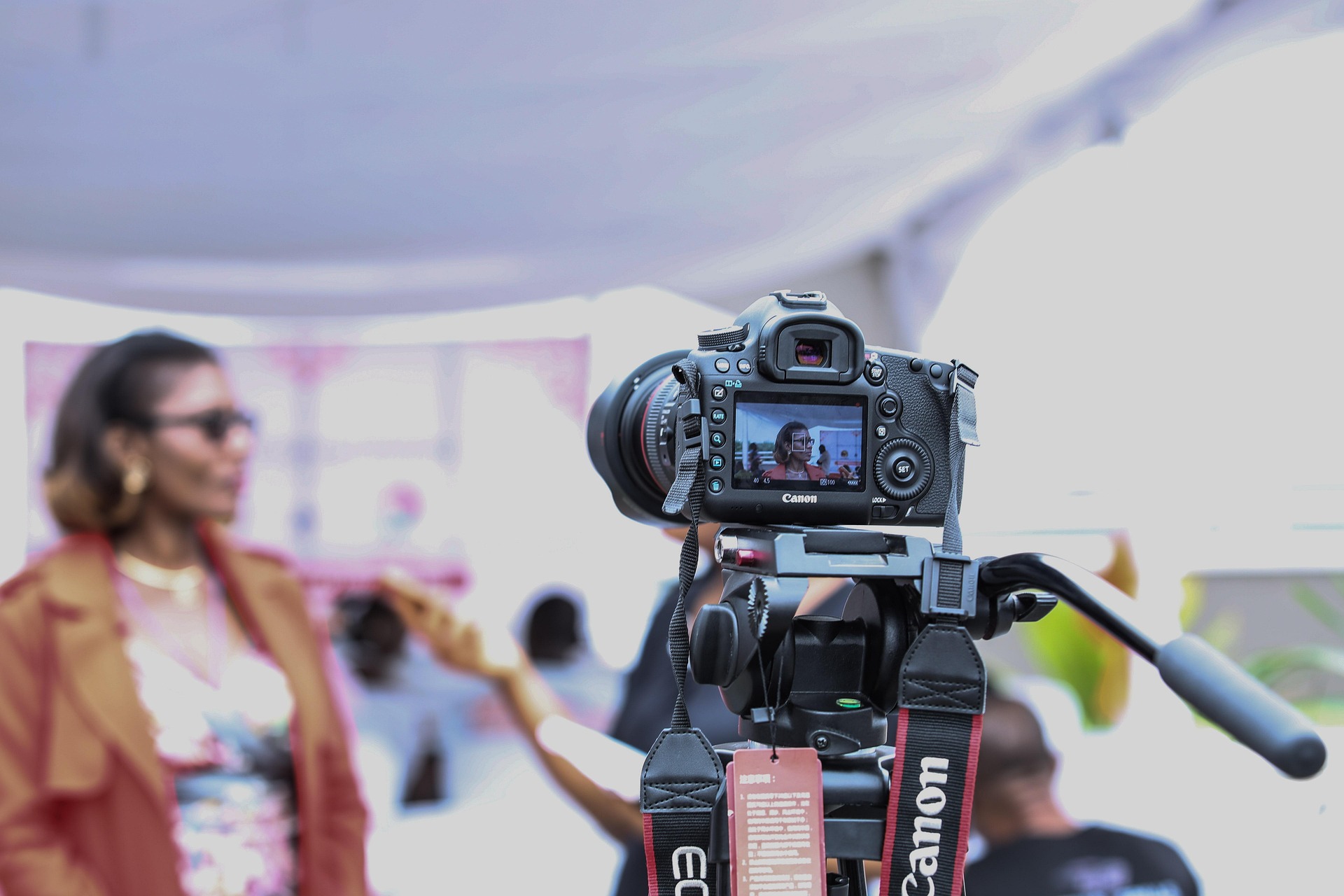
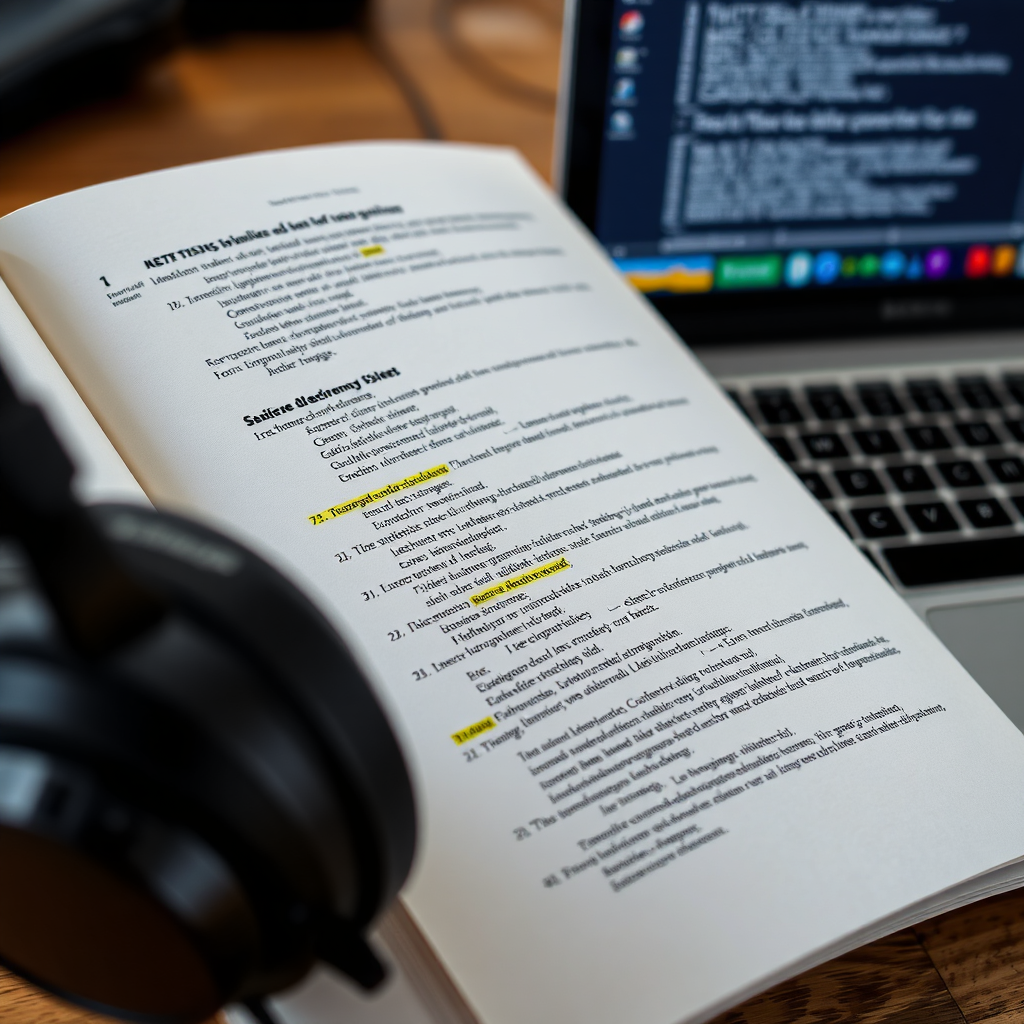
Use native language lines where they enhance authenticity and meaning. Provide clear subtitle strategy and dialect coaching so multilingual dialogue reads naturally and supports emotional clarity for all audiences.
Craft narratives that combine local specificity with universal themes—identity, family, change—to appeal to programmers and international audiences. Keep runtime tight and focus on distinct emotional arcs for festival impact.
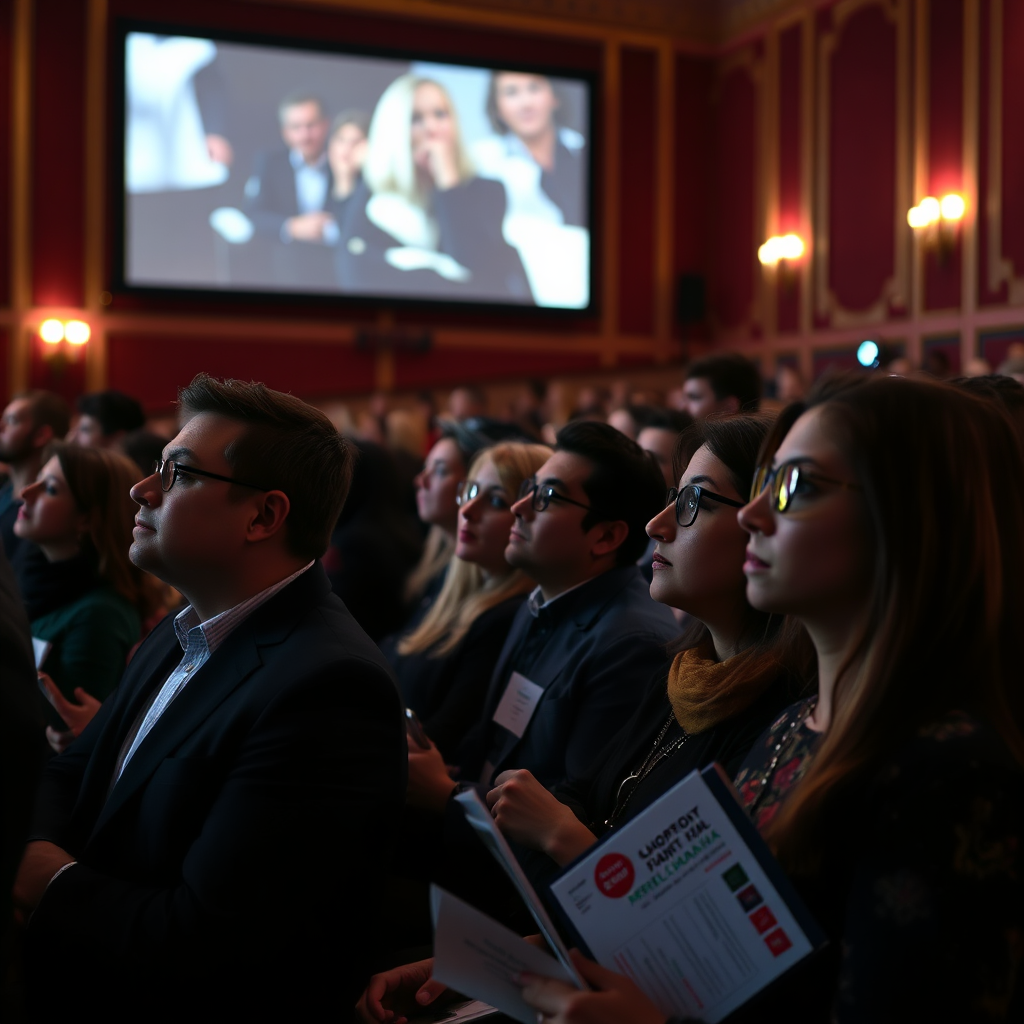
Films, Pop Culture & Theater — Our Blend
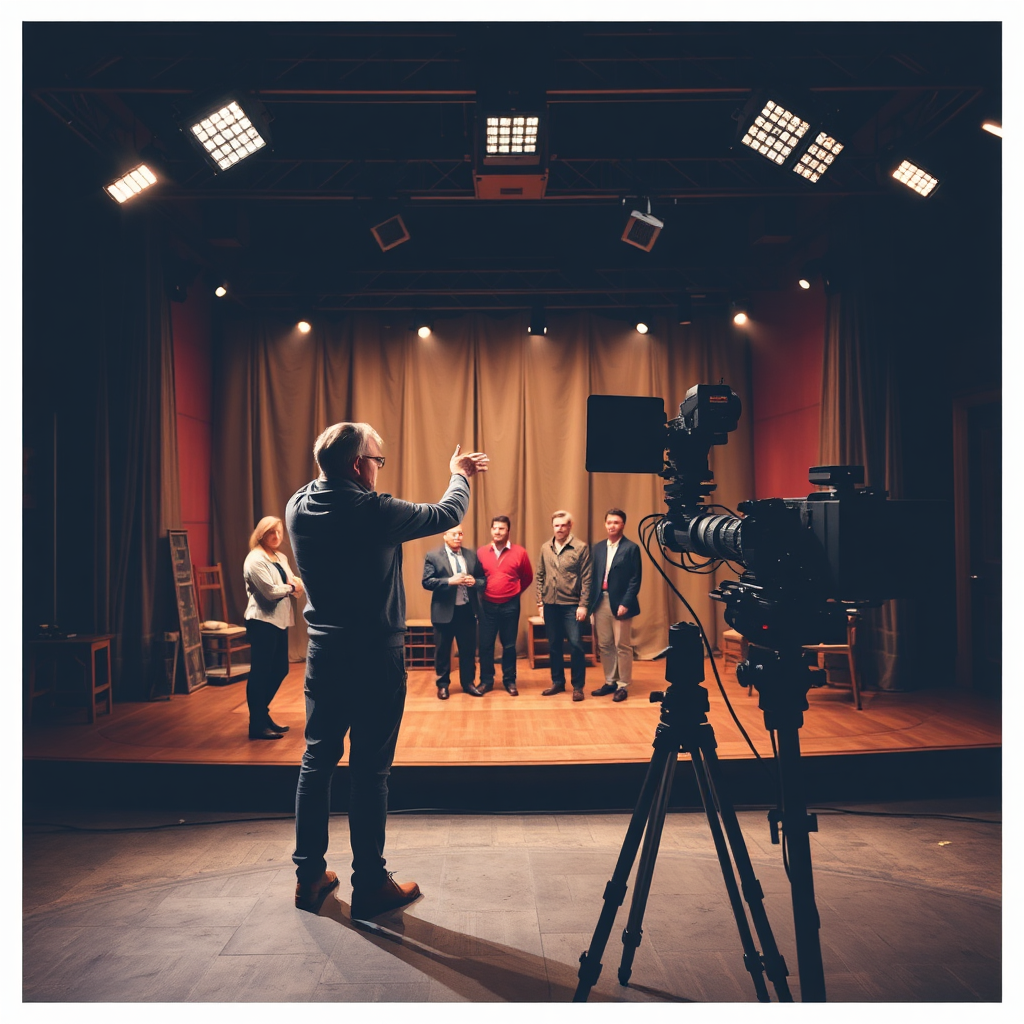
Translate stagecraft into cinematic language by preserving strong blocking, live energy, and spatial relationships. Use long takes and carefully choreographed camera moves to keep theatrical immediacy on screen.

Use timely references and visual motifs that resonate with contemporary audiences. Balance nostalgia with fresh commentary and secure permissions for any recognizable IP to avoid legal issues.
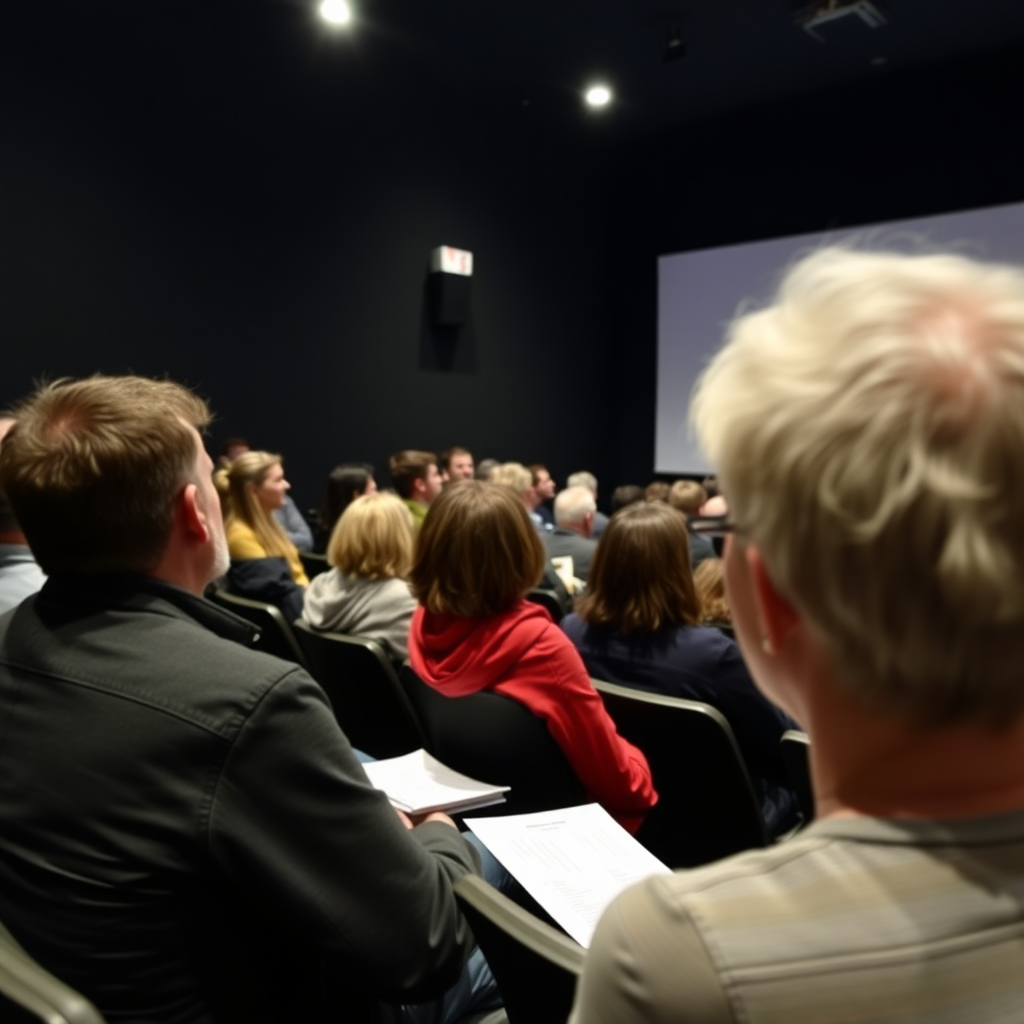
Stage readings and preview screenings to gauge comedic timing, emotional beats, and cultural resonance. Use structured feedback to refine pacing, transitions, and clarity before finalizing the cut.
Cultural Cinema for Diverse Audiences
Let composition, production design, and camera movement carry the story where possible. Visual clarity reduces exposition, strengthens emotional beats, and creates images that travel well across markets.

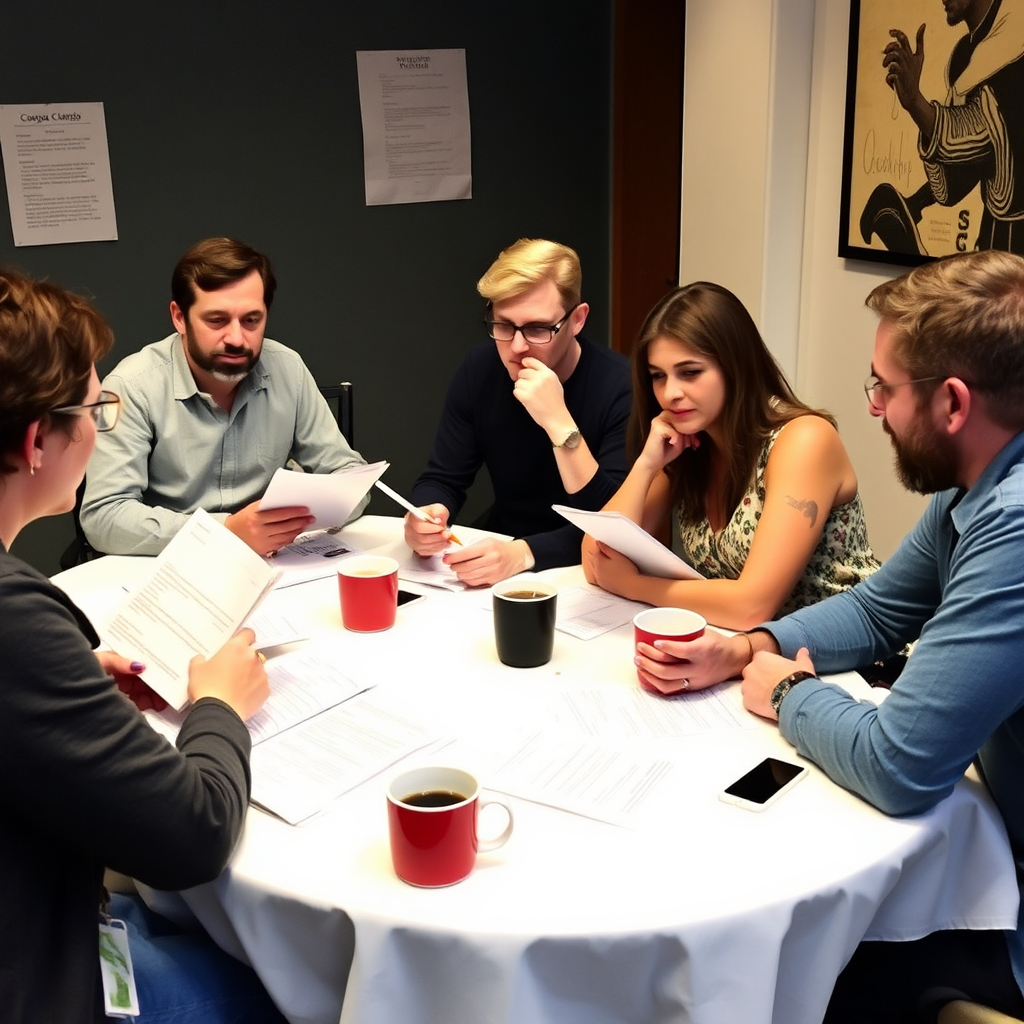
Hire writers, composers, and designers from the cultures represented. True collaboration deepens authenticity and expands creative perspectives, often unlocking distribution opportunities within specific communities.
Match your film’s cultural positioning to festival strategies, targeted streaming platforms, and community screenings. Prepare localization assets—subtitles, dubbed tracks, and press materials—to widen accessibility and impact.